
The Ultimate Guide to Bed Linen: Choosing the Perfect Ágyneműhuzat


Introduction
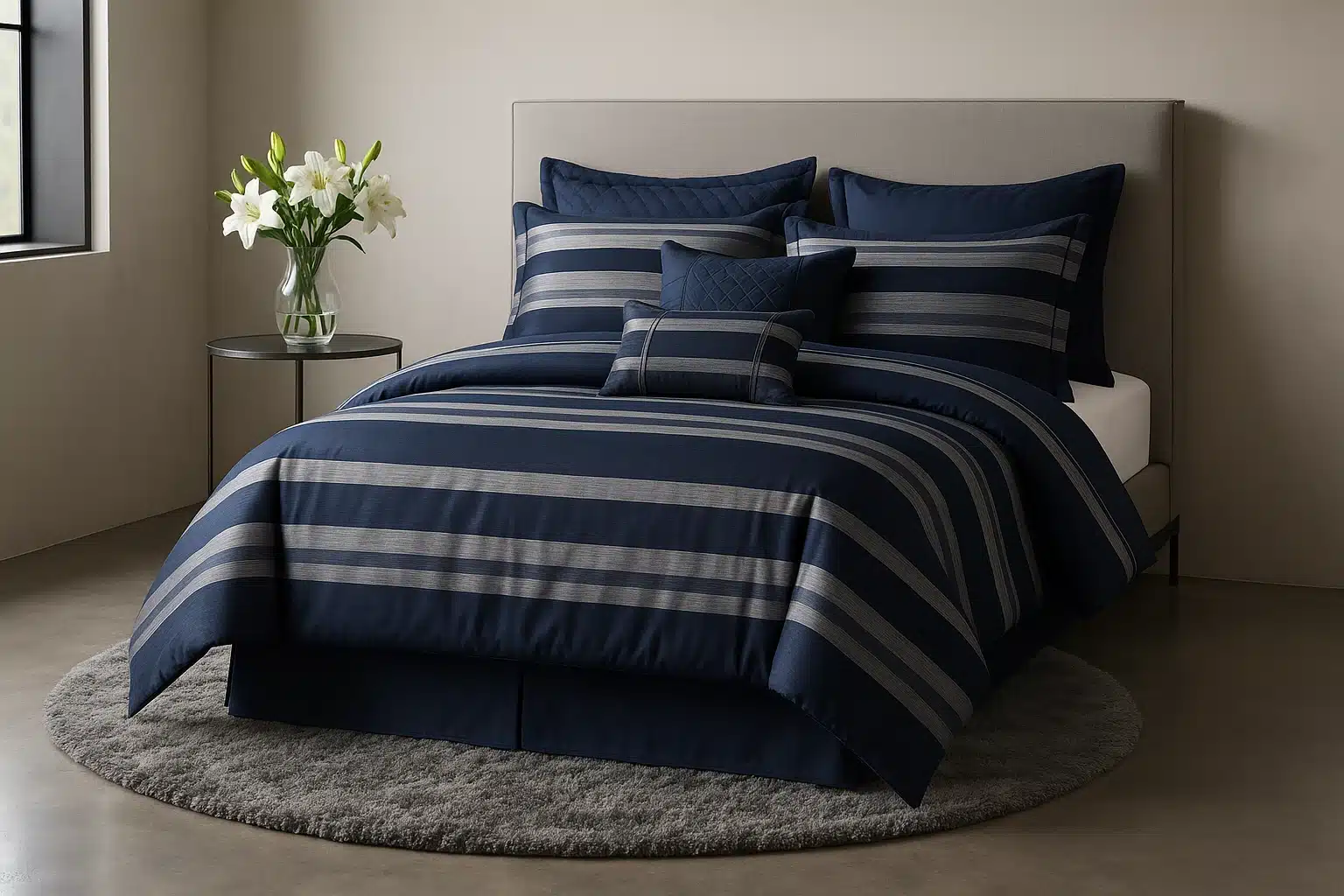
Imagine slipping into the perfect bedding after a long day—the moment your skin meets fabric that feels both luxurious and comforting, all while knowing it reflects your values. This is the essence of modern home textiles, where design, sustainability, and quality converge. As the global interest in thoughtfully crafted bedding grows, the term ágyneműhuzat—a Hungarian word often used in niche European design circles to refer to bed linen—captures this blend of tradition and refinement.
Homeowners and interior designers alike increasingly view bedding not just as a functional necessity, but as an aesthetic statement. For example, the shift toward materials like bamboo and eucalyptus fiber has been significant, with bamboo capturing a 10% market share in 2023 and growing rapidly in regions like Asia-Pacific, while Tencel, known for its eco-friendly production and comfort, is expected to see an 11% CAGR in the near term GlobeNewswire report. These figures emphasize the real demand behind fabrics that balance feel with environmental responsibility.
A broader lens reveals that the global bed linen market is poised to surge from USD 24.62 billion in 2025 to USD 42.03 billion by 2035, a testament to consumer enthusiasm for premium, innovative, and sustainable bedding solutions Future Market Insights analysis. As ágyneműhuzat becomes more recognized beyond its regional roots, it represents not just a product, but a mindset—one that values quality, comfort, and conscious choices.
In the sections that follow, we will explore how to choose bedding that resonates with your lifestyle—highlighting factors such as fabric performance, design trends, and care guidelines. You’ll find actionable insights like how higher thread count may not always mean better quality, why options like washed cotton provide a lived-in softness without compromising on durability, and how eco-certifications like OEKO‑TEX and GOTS offer peace of mind.
Whether you’re revamping a guest room, outfitting a boutique rental, or simply elevating your own sanctuary, this guide will offer expert advice, real-world examples, and thoughtful comparisons to help you navigate the world of bedding with confidence and clarity.
Material Choices and Sleep Performance
Balancing Breathability, Comfort, and Durability
High thread counts are often marketed as a mark of luxury, yet expert analysis shows that pursuing dense weaves can compromise the essential property of breathability. According to a recent Tom’s Guide feature, thread counts between 200 and 400—in especially breathable weaves like percale—support better airflow and help prevent overheating. Higher counts often trap heat, limiting comfort during warm nights. Moreover, a study at the Good Housekeeping Institute tested cotton sateen sheets ranging from 200 to 1,000 thread count, finding that mid-range counts (300–500) offered the best balance of softness, pilling resistance, and longevity, with a standout 400-count set as the most well-rounded performer (Good Housekeeping).
Material Quality Over Marketing Numbers
Beyond thread count, fiber quality plays a pivotal role. Long-staple cotton varieties like Egyptian or Pima offer smoother, stronger fibers less prone to pilling—even at moderate thread counts—making them more durable and luxurious in feel compared to poorly constructed high-count sheets. According to WIRED, overemphasizing thread count overlooks the subtler but critical factors that define bedding excellence.
Real-World Applications in Hospitality
Hospitality-grade bedding exemplifies how material standards translate into guest comfort and long-term performance. Luxury brands like Frette customize their offerings for iconic hotel chains, balancing feel, durability, and aesthetic appeal through superior fabrics and tailored weaves (Wikipedia – Frette). Such collaboration underscores how industry professionals prioritize the right blend of material, construction, and design over inflated metrics—a lesson equally applicable to selecting ágyneműhuzat for discerning home users or upscale rentals.
Choosing the Right Bedding for Your Needs
When selecting ágyneműhuzat, begin by identifying your priorities—whether cooling performance, durability, or softness—and match them to material characteristics and weave styles. For hot sleepers, percale cotton in the 200–400 thread count range can offer crisp breathability. If silky texture and drape are your preference, mid-range sateen still performs better than ultra-high counts. Opting for long-staple fibers ensures better longevity and a more refined feel, delivering value without unnecessary marketing fluff.
Ultimately, thoughtful choices focused on fabric integrity, thoughtful weave structure, and real performance metrics—not just numbers—will elevate your bedding experience in both comfort and longevity.
Enhancing Sleep with Quality Bedding
The quality of your ágyneműhuzat can significantly impact your sleep quality and overall health. Research underscores that the texture and material of your bed linens contribute to a restful night’s sleep. According to The Sleep Foundation, choosing the right fabric improves thermal comfort, which is vital for uninterrupted sleep.
Material Matters
When selecting bed linens, it’s essential to consider the material. Cotton, especially when sustainably sourced, is known for its breathability and softness. It’s a popular choice for those with sensitive skin or allergies. For instance, Egyptian cotton is prized for its long fibers, which create a finer, more luxurious thread. Linen, with its natural cooling properties, is another excellent choice for warmer climates or those who „sleep hot.”
Pattern and Design
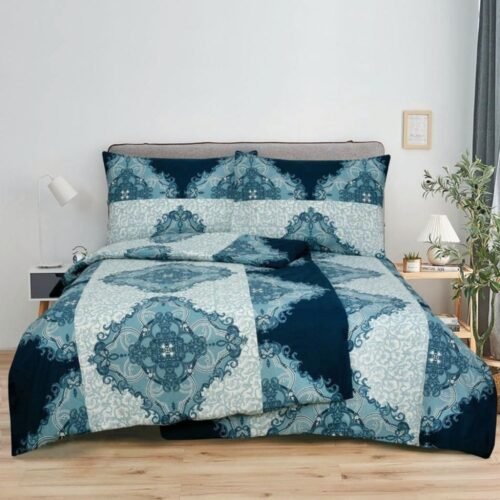
Beyond material, the design and pattern of ágyneműhuzat play an aesthetic and psychological role. Patterns with traditional motifs, such as Hungarian designs, can provide a sense of heritage and calm. Studies suggest that calming designs lead to better relaxation and reduced stress, contributing to improved sleep quality. The balance of color and pattern affects not only the room’s ambiance but also offers an emotional connection to one’s cultural roots according to research.
Practical Tips for Choosing the Right Bedding
When selecting your next set of bed linens, consider the thread count, though it’s not the sole indicator of quality. A higher thread count can mean a softer sheet, but manufacturing methods and fabric type are equally important. For example, a 400-thread count Egyptian cotton sheet might feel superior to an 800-thread count made from lesser materials. Avoid being seduced solely by thread count; touch and feel the fabric when possible.
In conclusion, selecting the right ágyneműhuzat involves a balance of practicality and style. By understanding the effects of material, design, and quality on sleep, you can make informed decisions that enhance both the aesthetics of your bedroom and the quality of your rest.
Optimizing Comfort Through Material Performance and Sleep Environment
While the previous sections highlighted how to weave style and durability into your bedroom, it’s equally important to understand how material performance influences sleep. For instance, modern linen-cotton blends—such as those featuring 51% European flax linen and 49% cotton—offer both softness and temperature regulation, which is perfect for those who overheat at night. Coop Sleep Goods launched such a collection recently, emphasizing its breathable and moisture-wicking qualities, backed by OEKO-TEX Standard 100 certification to ensure fabric safety and quality Tom’s Guide report. These linen-cotton options help maintain a comfortable sleep climate as they soften with each wash, blending function and luxury.
Scientific Insights Into Fiber Choices and Sleep Quality
Empirical research underscores the profound influence of fiber composition on sleep quality. A systematic review of studies comparing bedding and sleepwear fibers—including cotton, wool, linen, and synthetics—found that wool sleepwear can improve sleep onset in cool conditions, linen sheets enhance rest under warmer temperatures, and goose-down duvets may increase deep (slow-wave) sleep among young adults in cooler environments Journal of Sleep Research. These findings reinforce that fiber selection should be tailored to ambient temperature and sleeper preferences.
Another controlled study assessing sleepwear (wool vs. cotton) and bedding (wool vs. polyester) across ambient temperatures (17 °C vs. 22 °C) demonstrated that while bedding type showed no robust effect, wool sleepwear significantly shortened time to fall asleep under cooler conditions, with improvements in sleep efficiency and deeper sleep stages Nat Sci Sleep study via PubMed Central. These results illustrate that even subtle material choices can elevate rest by aligning with thermoregulatory sleep mechanisms.
Practical Application: Enhancing Your ágyneműhuzat Experience
Bringing these findings into the realm of ágyneműhuzat—or bedding—means selecting covers that respond to both your climate and sleep habits. For example, if your bedroom remains cool, pairing wool or high-quality linen duvet covers with natural-fiber sheets may help you fall asleep more quickly and attain deeper rest. In warmer spaces, stick to linen or lightweight cotton sheets known for breathability and moisture-wicking.
Furthermore, consider real-life user experiences: consumers consistently report more restorative sleep when swapping out aging bedding. One clinical investigation showed a new prescribed bedding system reduced back and shoulder pain by over 57%, while improving sleep quality by more than 60% over a 28-day trial Elsevier study. This underscores that upgrading ágyneműhuzat isn’t just aesthetic—it can yield tangible health and comfort gains.
Altogether, combining thoughtfully selected fiber blends, awareness of ambient temperature, and attention to wear and lifespan ensures your bedding supports—not hinders—optimal sleep.
Conclusion
The journey to choosing the perfect ágyneműhuzat is one that offers both functional benefits and aesthetic pleasure. As we’ve explored, selecting the right bedding can enhance not only the look of your bedroom but also the quality of your sleep. From understanding the material compositions to grasping the latest design trends, informed decisions can transform your sleeping experience.
One actionable insight is to prioritize material over aesthetics when deciding on your ágyneműhuzat. Fabrics such as cotton and linen offer breathability and comfort, making them favorable options for different climates. For instance, according to The Sleep Foundation, cotton is a preferred choice because of its softness and durability.
Additionally, consider the subtle yet powerful impact of color and pattern on your mood and sleep quality. Neutral colors and soft patterns can create a calming atmosphere. Designers often recommend opting for soothing colors that match the overall décor of your room, ensuring a harmonious balance. Evaluating your needs for warmth and softness can also guide you in selecting materials that provide the ideal comfort level.
To make a wise purchase, it’s beneficial to explore customer reviews and compare different brands. Platforms such as Consumer Reports offer insights into durability and customer satisfaction, which can be invaluable during your selection process.
Finally, remember that ágyneműhuzat is more than just a textile; it is an essential element of your personal space influencing well-being and sleep quality. Investing in high-quality bedding is an investment in your health and comfort. As you embark on this journey, take these insights to heart, and transform your bedroom into a sanctuary of rest and relaxation.
Embrace the opportunity to elevate your sleeping environment. By carefully considering your options and prioritizing quality, you can ensure that your choice of ágyneműhuzat enhances both your lifestyle and your sleep. Let this guide be your stepping stone towards creating a restful haven. Take action today, and experience the difference that quality bedding can make.